In the summer of 2024, Calderdale Primary Care Networks (PCNs) were asked to devise pilot schemes to try and understand and perhaps better serve patients who accessed high numbers of GP appointments.
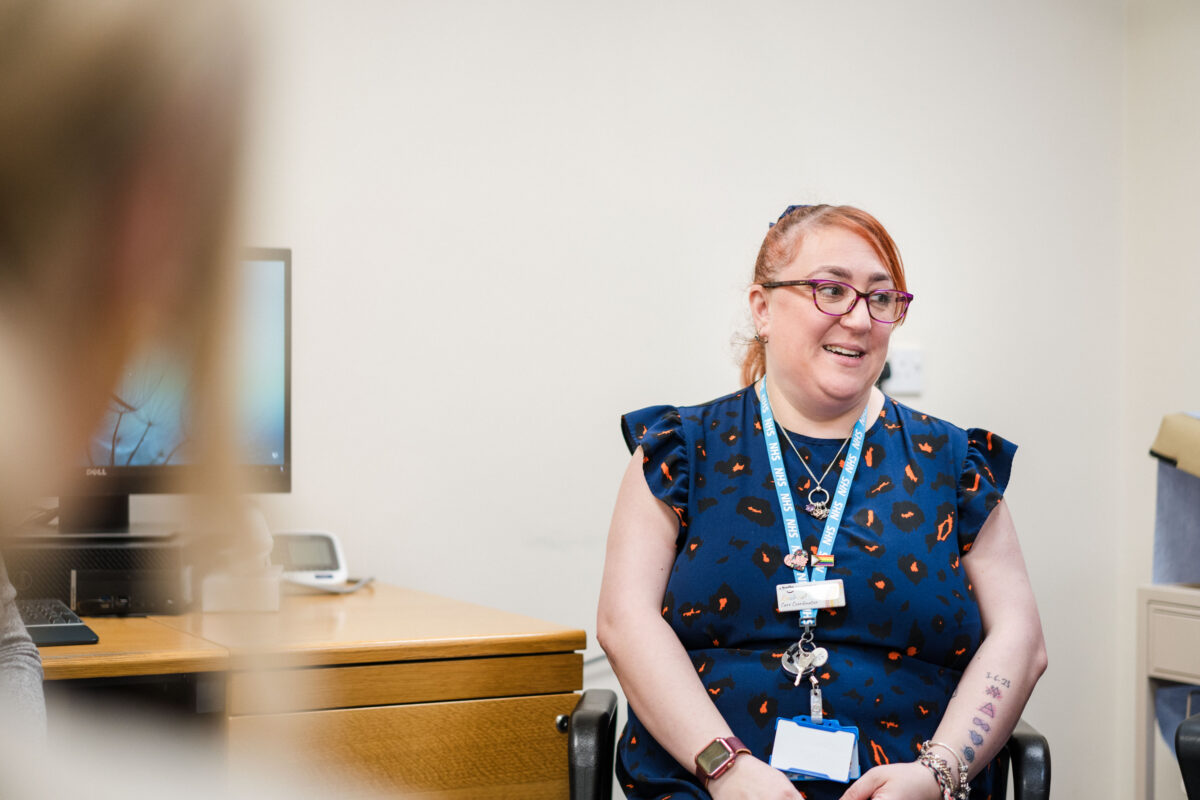
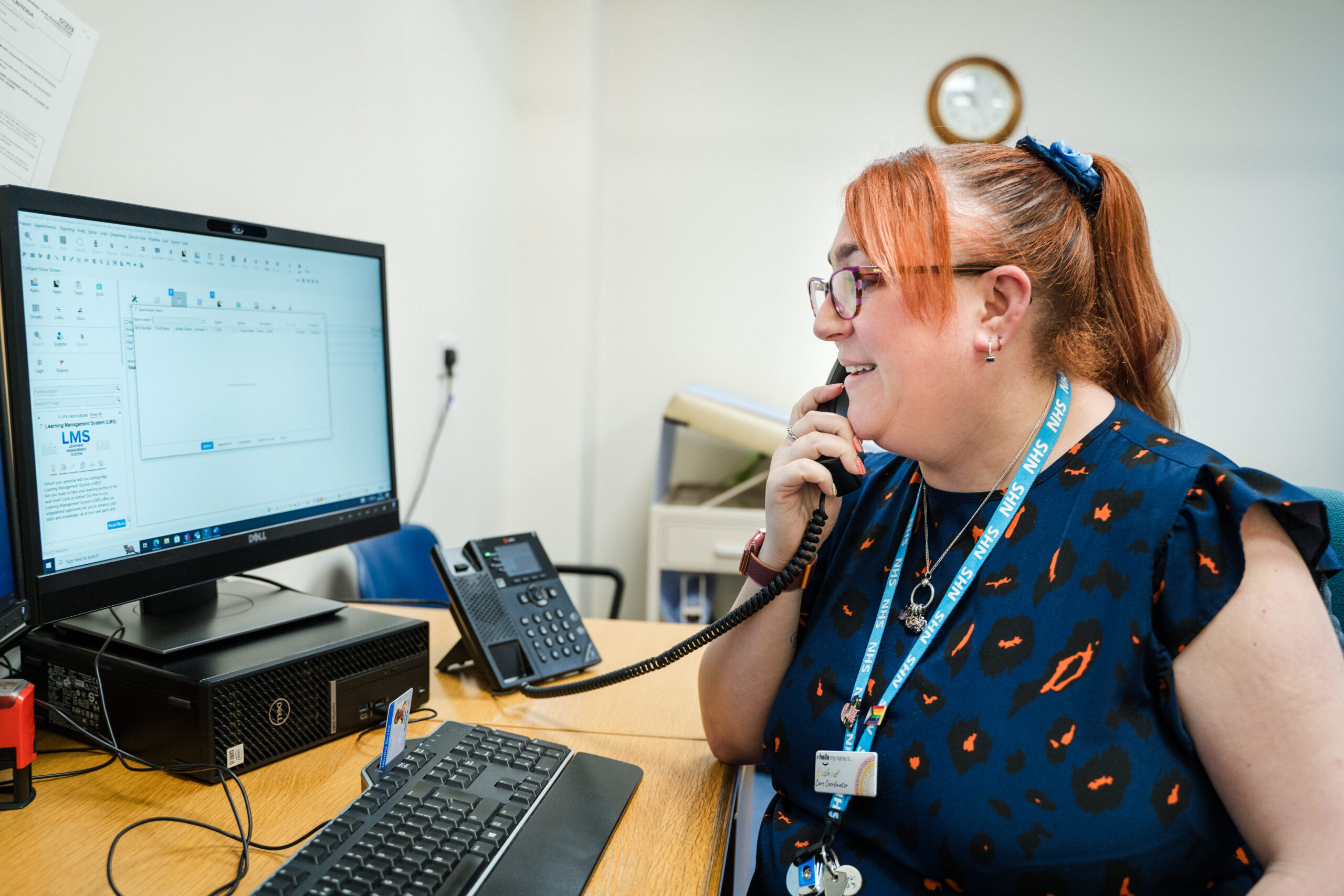
Rachael Morgan, Care Coordinator, was asked to lead a pilot program in the Upper Calder Valley PCN. The pilot was inspired by a model used in private healthcare, where patients have unrestricted access to care and unlimited resources. This model was applied to a group of patients who often seek access to a healthcare system that they may perceive as chaotic, with limited resources and under significant pressure.
Rachael worked with a group of 30 patients, identified in collaboration with the PGPAs Digital Team, using criteria primarily based on their current clinical conditions and presentations. The project was overseen by a small team of staff from the Upper Calder Valley PCN, led by Paul Shire, a GP partner at HBGP.
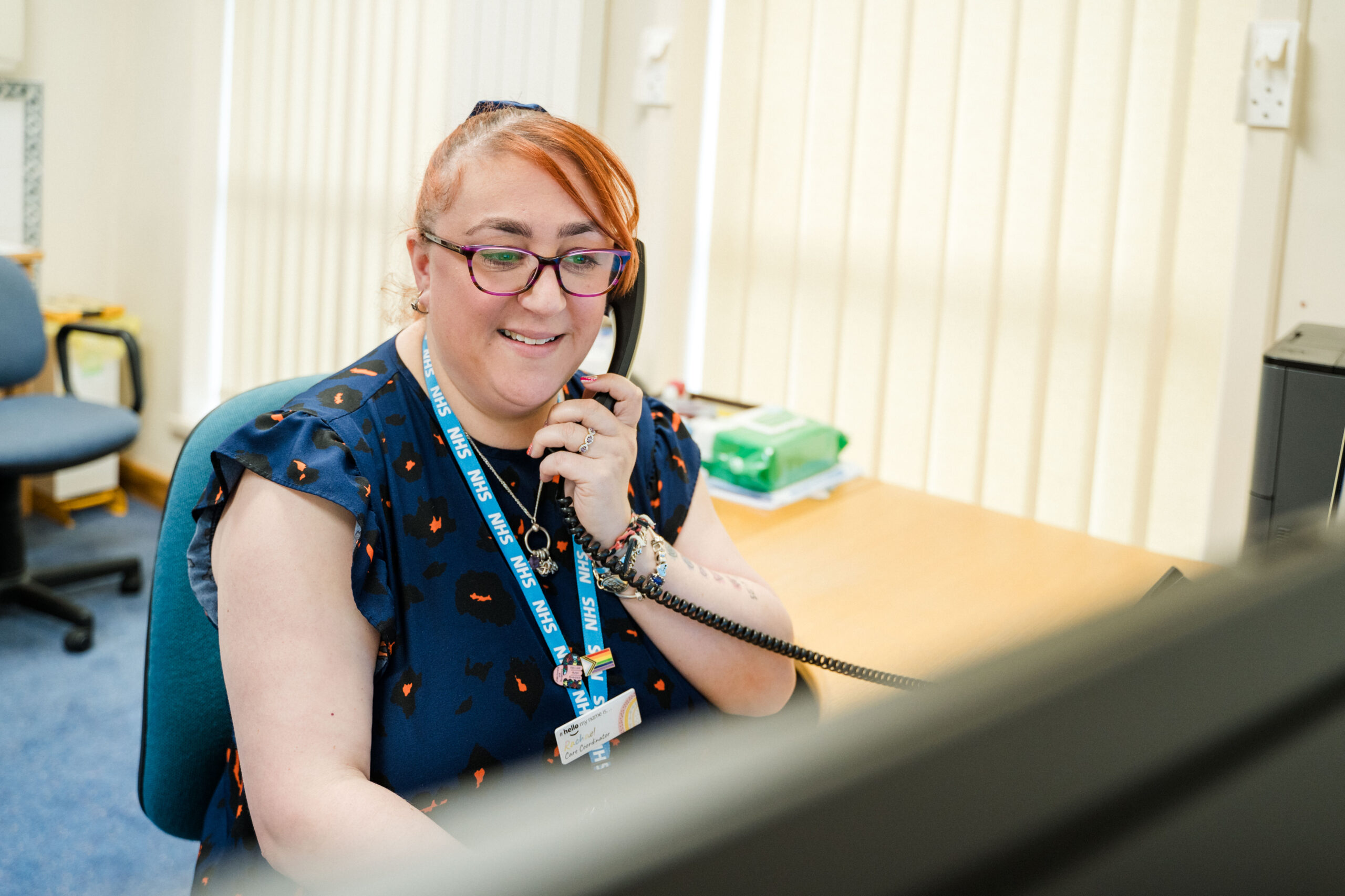
Rachael made initial contact with the 30 patients through a letter, followed by a phone call to explain how the pilot would work. After answering any questions, further appointments were scheduled based on the patients’ preferences, either face-to-face or over the phone. Each patient was provided with Rachael’s mobile number for non-urgent queries related to their care.
The short-term evaluation of the project highlighted several successes: there was a reduction in GP visits, increased patient activation, and slightly better health outcomes for those receiving support. The most significant improvement was in patient activation, which also correlated with fewer future GP visits.
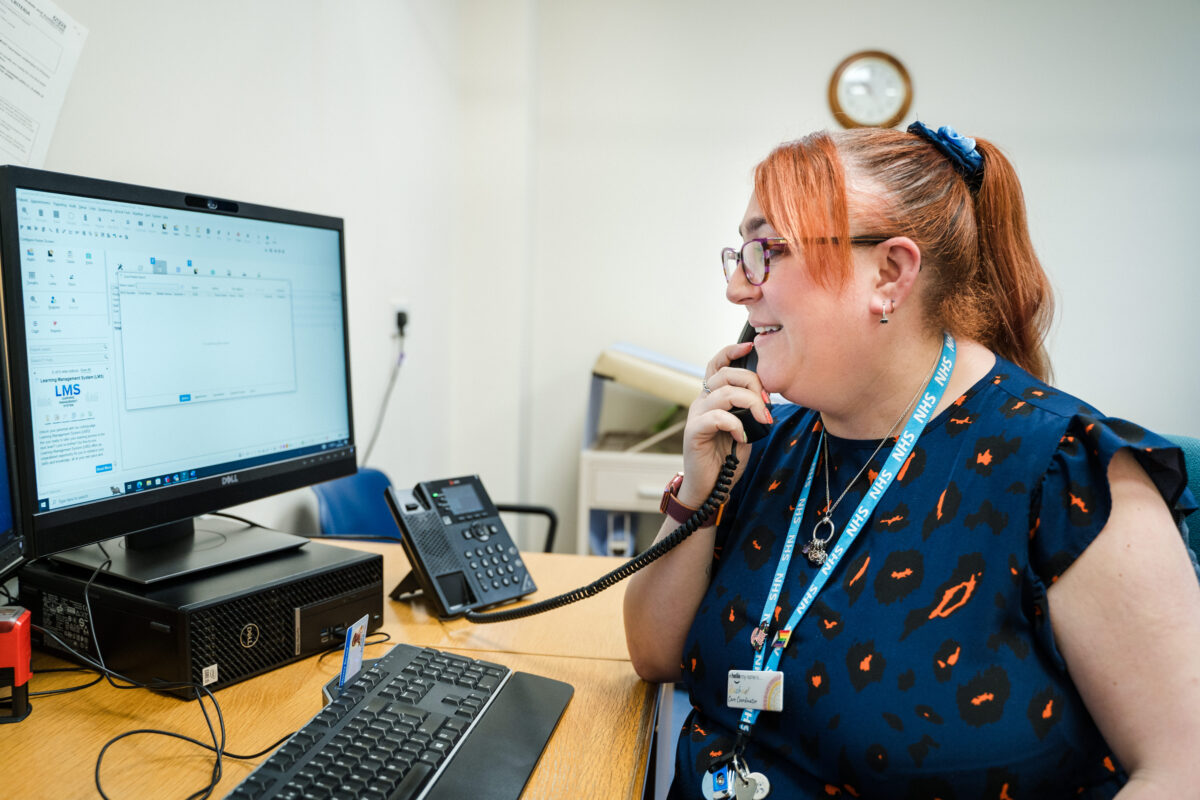
A key factor in the success of the project was Rachael’s ability to contact GPs directly, with support from them. Many of the patients had the same regular GP, who encouraged them to use the care coordinator service. This endorsement from the GP helped boost the patients’ confidence in reaching out to Rachael for assistance.
There were also several joint appointments with the GP, where clinical concerns were addressed, and Rachael handled any non-clinical issues. This collaboration allowed the patients to feel heard and well-supported.
Allowing patients extra time to discuss ongoing issues proved to be very effective. Being able to bring up concerns and having a consistent person to interact with worked well for both the patients and the care coordinator.
Quantitative outcomes included:
- A reduction in GP attendance for the group receiving Rachael’s support.
- No significant change in BMI.
- A reduction in raised blood pressure in the supported group.
- A decrease in average Hba1c for the supported group.
- A significant increase in patient activation, as measured by the Patient Activation Measure (PAM), for those receiving support, while frequent attenders without support showed a decrease in activation.
Rachael also sent out a survey to patients who received her support, asking them to rate their experience. Some of the feedback included:
- “Gives me excellent advice and information regarding my health problems and points me in the right direction to get the help I need.”
- “She listens to my problems and will make referrals when required.”
- “I’m extremely happy with the service I have received.”
- “Knowing you have someone who will listen and try to help you fix any problems gives you confidence that things can be dealt with properly.”
- “Rachael has been very empathetic and patient with my issues.”
- “Rachael is very supportive and listens without judgment.”
The pilot has clearly shown the value of the concept, and the PCN has now adopted the revised program as part of their standard operations. Based on the pilot’s evidence, this initiative is expected to make a significant difference for the patients involved, while also easing some of the pressure on the broader clinical team.