
Cervical Screening Event
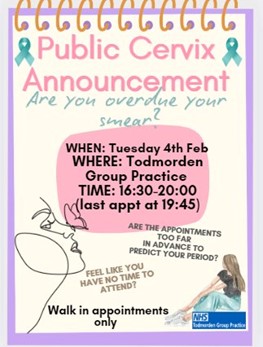
Todmorden Group Practice organised a successful Cervical Screening Drop-in event on Tuesday 4th February 2025, aimed at addressing gaps in cervical screening participation. The event targeted patients who had missed their scheduled screenings, particularly focusing on younger individuals who were less likely to attend. The goal was to capture patients from the Quality and Outcomes Framework (QoF) report, with a special emphasis on younger age groups who were higher on the Did Not Attend (DNA) list.
- Date: Tuesday, February 4, 2025
- Time: 4:30 pm – 7:45 pm
- Location: Todmorden Health Centre
The People Involved
- Upper Calder Valley Primary Care Network (UCV PCN) Care Coordinators: Played a crucial role in reaching out to patients through targeted communication and ensuring the success of the event.
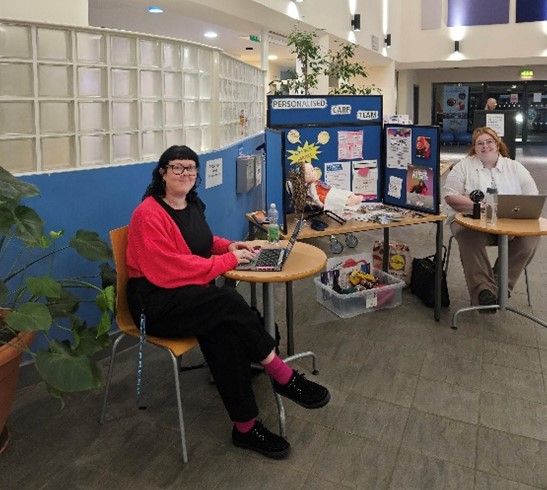
- Todmorden Group Practice Nurses: Provided cervical screening services during the event, ensuring patients received the care they needed.
The Importance of this Work
This event was organised in response to patient feedback from previous years. After last year’s successful drop-in events, patients expressed a desire for another opportunity to attend. A key focus of this event was to address the lower cervical screening participation rates among younger individuals, who have been increasingly less likely to schedule their tests. Factors such as awareness and availability were identified as potential barriers to attendance.
Cervical screening is essential for detecting abnormal cells early, helping prevent cancer and ensuring timely further testing if necessary. By organising these drop-ins, Todmorden Group Practice is helping to safeguard the health of individuals with cervixes and improve overall screening rates in the community.
Impact
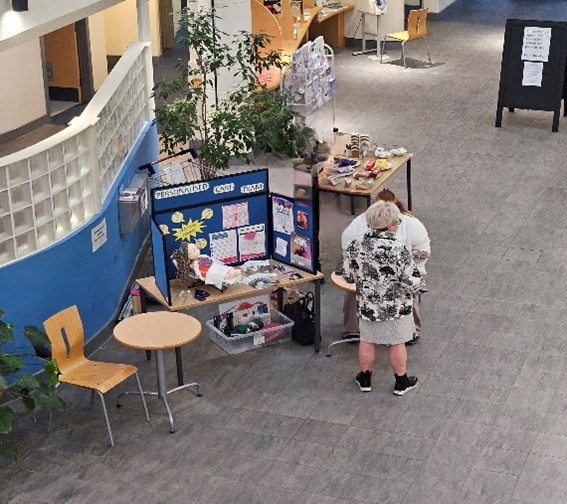
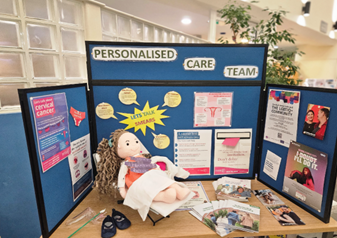
The drop-in event proved to be a resounding success. UCV PCN Care Coordinators took proactive steps to invite patients who were on the DNA list and non-responders. Invitations were sent out via bulk text messages, and the event was promoted through posters in the practice and on the UCV PCN Facebook page, which was shared 47 times by other local services and gained significant attention.
Patient turnout exceeded expectations, with a total of 63 attendees—far surpassing the previous event at Grange Dene Medical Centre in Hebden Bridge (47 attendees). The breakdown of ages was as follows:
- Ages 25-50: 35 attendees
- Ages 50-65: 28 attendees
The event created a warm, supportive atmosphere with cheers and encouragement for first-time attendees, demonstrating the camaraderie between patients. Tea, coffee, cakes, and biscuits were available for patients, which created a welcoming environment and helped ease nerves.
The event achieved the following:
- Increased Screening Participation: A significant number of patients who had previously missed their cervical screenings attended the drop-in.
- Community Engagement: The event was widely shared and promoted, reaching a large number of individuals in the community.
- Emotional Support: The supportive environment helped reduce anxiety for those attending their first cervical screening.
Lessons Learned & Next Steps
While the event was a success, a few areas for improvement were identified:
- Timing & Staggering Attendance: There was a bottleneck with a large number of patients arriving within the first hour. For future events, strategies will be developed to stagger attendance times and reduce wait times.
- Age-Specific Drop-ins: Given the success of this event, consideration will be given to organising future drop-ins that cater to specific age groups, addressing their unique needs and concerns.
Conclusion
The Todmorden Group Practice Cervical Screening Drop-in event proved to be an invaluable initiative for increasing cervical screening rates, particularly among younger individuals. By learning from past events and continuously improving the process, the practice has created a supportive and welcoming environment for patients, making it easier for them to prioritise their health. This event not only provided vital screenings but also strengthened community engagement and support, contributing to better health outcomes for everyone with a cervix.