

1. Background & Role in the Program
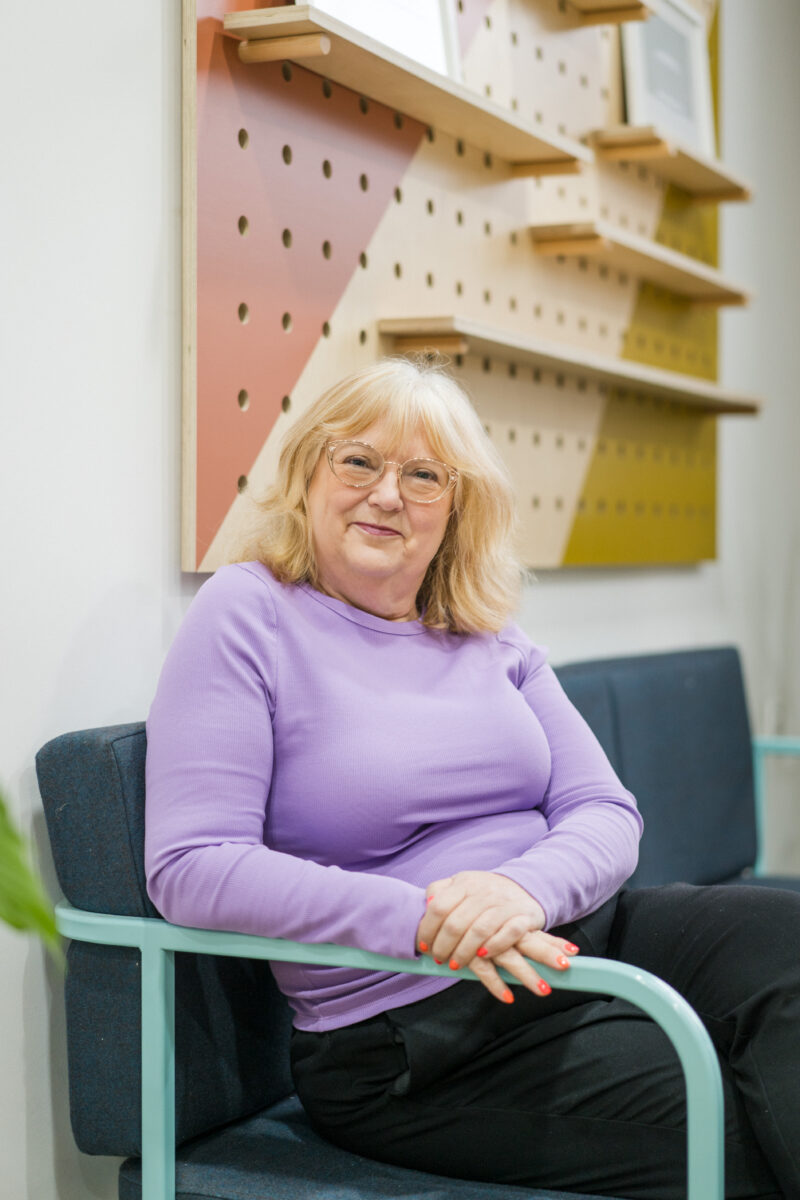
Angela Forsey, a Diabetes Care Coordinator at Pennine GP Alliance, is both a healthcare professional and a patient participating in the NHS Type 2 Diabetes Pathway to Remission Programme (T2DR). Angela’s journey into the program began due to her own diagnosis of Type 2 diabetes. After learning about the program through her professional role, she assessed her eligibility and decided to participate. Angela reached out to her GP, who referred her to the program. Within 10 days, she was contacted by Xyla, the organization managing the program on behalf of the NHS in West Yorkshire. Following consultations, Angela was offered a place in the program, and the rest of her journey began.
As a Diabetes Care Coordinator, Angela’s role within the program is primarily as a participant, although she also contributes professionally by providing feedback on how the program could improve the quality of care for individuals with Type 2 diabetes, especially those with learning disabilities and severe mental illness.
The structure of the program drew Angela in, as it was a comprehensive 12-month plan divided into three key phases. The first phase consists of 12 weeks of using soups and shakes to facilitate weight loss. This is followed by a 6-week phase where healthy, tasty meals are gradually reintroduced. The program culminates in 8 months of ongoing support to help maintain weight loss.
2. Insights into the Program
The main goal of the NHS Type 2 Diabetes Pathway to Remission Programme(T2DR) is to help participants achieve significant weight loss and improve glucose regulation. These outcomes are essential as they can reduce the long-term risk of diabetes complications, thereby enhancing overall wellbeing and reducing healthcare costs for the NHS. Angela recognises the broader implications of the program, especially in terms of its potential to alleviate the financial burden that Type 2 diabetes places on the NHS, which is estimated to cost £10 billion annually.
A primary challenge the program addresses is the reduction of body fat, a key factor in managing and reversing Type 2 diabetes. For Angela, this challenge was particularly important, as reducing body fat would directly help her regulate her blood glucose levels. One of the most impactful aspects of the program, according to Angela, has been the support from trained coaches at Xyla and the use of a Wellbeing App, which provide essential guidance and resources throughout the program.
3. Personal Contribution
Angela’s responsibilities within the program are to commit to the full 12-month process, which includes adhering to the soup and shake diet for the first 12 weeks, participating in regular coaching sessions, and maintaining a willingness to be coached throughout the program. Angela’s commitment is evident in her consistent participation, and she highlights the importance of the support she received from her colleagues at work, who regularly checked in on her progress.
One of the moments Angela feels particularly proud of occurred when her colleague’s expressed admiration for her dedication and success in sticking with the diet. Their encouragement served as a motivating factor in helping Angela stay on track and continue her journey.
4. Challenges & Solutions
Like many participants in the program, Angela faced some challenges along the way. One of the most significant hurdles was the lack of variety in the soups and shakes, which she found bland. To overcome this, Angela used herbs and spices to add flavour to the soups and opted to consume the latte and chocolate shakes as hot drinks during the winter months. Despite these efforts, the repetitive nature of the flavours became monotonous over time.
Angela shares that one of the most important lessons she learned through the program was the need to change her behaviour and mindset. Staying focused on the end goal, visualising the potential outcome after 12 weeks, and reframing her thinking helped her stay committed. She learned to manage her hunger by reminding herself of the program’s specific caloric breakdown and by drinking plenty of fluids.
5. Impact & Results
Angela has already experienced significant positive outcomes from her participation in the program. She has lost weight and body fat, which not only proves to her that she can achieve her health goals but also motivates her to maintain these changes in the long term. She reports feeling healthier, with increased energy levels and reduced cravings for sugary foods. Additionally, her sleep quality has improved, and she feels more vibrant and less tired throughout the day.
Angela’s results are also evident in the physical changes she has observed. She has dropped a dress size, lost two inches from her waist, and is now engaging in 150 minutes of light physical activity each week. Her overall outlook on life has improved significantly, and she feels more confident and optimistic about her future.
6. Broader Implications
NHS Type 2 Diabetes Pathway to Remission Programme(T2DR) has the potential to make a profound impact on the future of diabetes care and research. By helping individuals lose weight and manage their glucose levels, the program could be a cost-effective preventative measure, especially for individuals at risk of developing Type 2 diabetes. This approach has the potential to save the NHS significant resources in the long term.
Programs like this offer hope to individuals with Type 2 diabetes, showing that weight loss and lifestyle changes can help reverse or manage the condition. Angela encourages others to consider joining such programs, emphasising that the personal support provided by advisers throughout the program is a key factor in ensuring success.
7. Personal Reflection
Reflecting on her experience, Angela identifies the most rewarding part of her involvement in the program as the noticeable reduction in body fat, the ongoing support meetings, and the positive feedback from friends and colleagues who have noticed her transformation. Their encouragement has played a pivotal role in boosting her morale and keeping her motivated.
This experience has also influenced Angela’s perspective on healthcare and her professional growth. She has learned to set smaller, more attainable goals and to practice self-compassion. Angela likens her journey to the lyrics of the song “I get knocked down, I get up again, you’re never going to keep me down,” embodying the resilience she has developed throughout the program.
8. Call to Action
Angela’s advice for others considering the diabetes program is clear: it is not for everyone, and it requires serious commitment. The first 12 weeks can be particularly challenging, as the limited variety of food options can make the program feel monotonous. However, for those who are ready for a life-changing journey, Angela encourages them to give it a try, as the support and structure provided can lead to incredible results.
She also encourages healthcare professionals and researchers to consider involvement in such programs, stating that having lived experience allows professionals to better understand and empathise with the patient journey. In doing so, they can make a meaningful difference in improving the quality of life for those with Type 2 diabetes.