
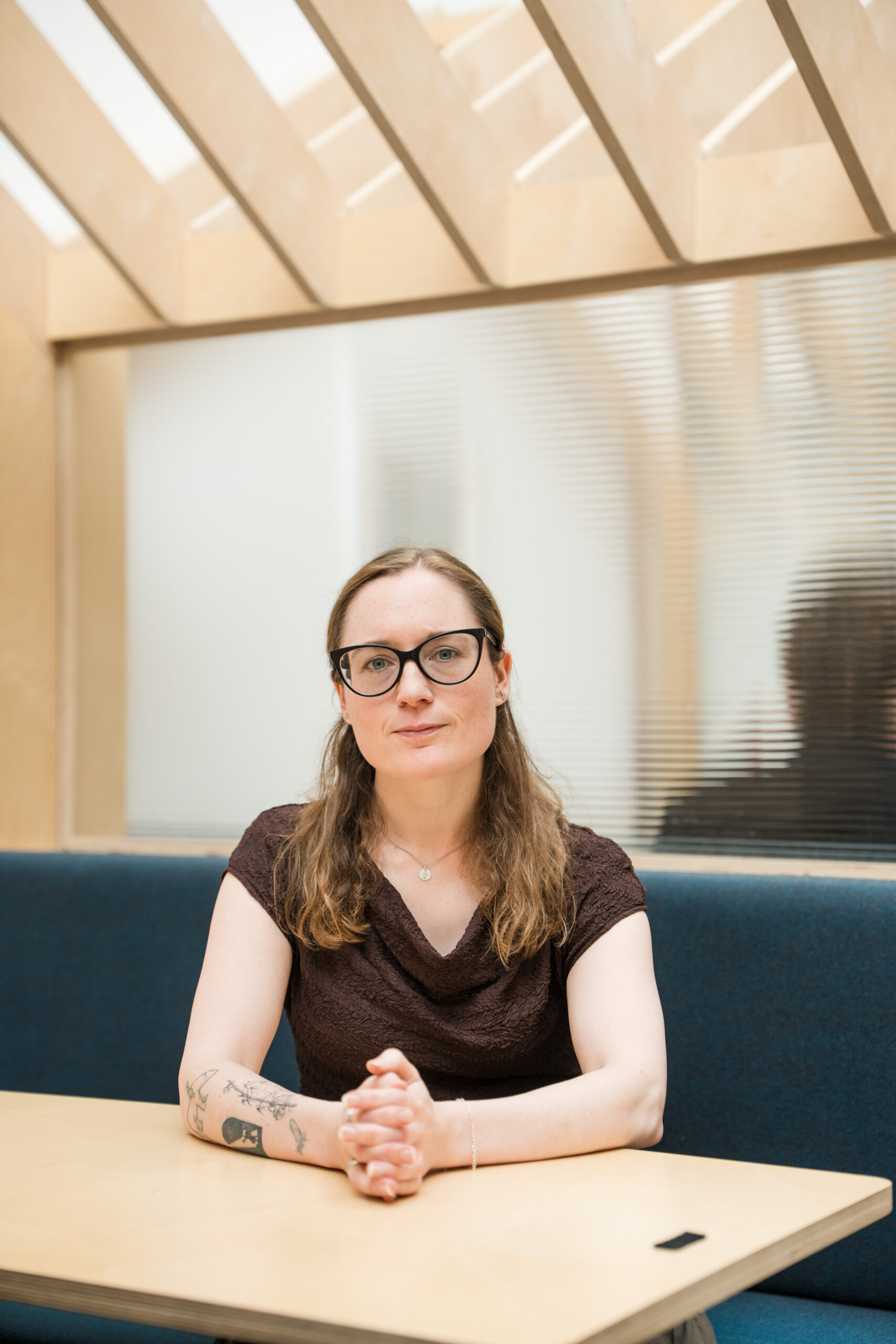
September is national pain awareness month – but people living with conditions that cause them pain are effected all year round. Joanne Duffy, PGPA’s Head of Programmes shares her story of living with a long-term health condition and how she’s found ways to manage it without relying on regular medications.
Case Study: Managing, Not Limiting: Living with a Long-Term Back Condition
Over ten years ago, I was diagnosed with a degenerative disc problem in my back. At times, the disc can compress a nerve, causing pain that begins in my right lower to mid back before radiating up and down from that area. If it becomes more severe, I start to experience numbness in my right buttock, followed by altered sensation in my leg and foot, which can lead to a noticeable limp.
When I was first diagnosed, I received physiotherapy and followed the advice given. Unfortunately, I did not experience the lasting improvement I had hoped for. I sought private treatment, but the recommendations were largely the same. It took time for me to realise that the issue was not the advice itself, but my expectation that physiotherapy was a short-term intervention for a long-term condition.
The turning point came when I realised that managing my back needed to become part of my daily routine for the rest of my life, much like taking medication. The exercises and strengthening work were not a temporary fix and were designed to protect the area of concern. They were an ongoing commitment. Once I adopted that mindset, things began to change. I also noticed that on days when I exercised, my pain was significantly better controlled. Over time, I built a routine focused on prevention rather than reacting to flare-ups.
Today, I spend around 30 minutes each morning exercising or practising yoga. This helps strengthen my body, improve flexibility and get me loosened up at the start of the day. I also make a conscious effort to stand regularly during working hours and use a sit-stand desk.
Perhaps surprisingly, I have learned that the recommended sitting posture does not work for me and brings on the problem. Through trial and error, I found positions that are more comfortable and allow me to manage my symptoms effectively. One sign of how much my back and core have strengthened is that I can now sit comfortably for much longer than I was able to in the past. Outside of work, I keep active through walking and other activities, whilst also recognising the importance of rest and recovery. Finding the right balance has been an important part of managing my condition sustainably.

I have met others with similar back problems to me who feel limited by their condition and rely heavily on pain medication. Their experiences remind me that every person’s journey is different. For me, not being able to take some pain medications in the beginning due to another medical condition encouraged me to focus on other ways of managing my symptoms.
Most people would not know that I have a back problem today. I rarely experience significant pain, and it does not restrict me, not because the condition has gone away, but because I have learned how to manage it and prevent pain. Every now and then I do something that reminds me how severe the symptoms can be, but these episodes are much less common than they once were.
The biggest lesson I have learned is that small, consistent actions can have a profound impact over time. Managing a long-term condition is not about finding a quick fix, it is difficult when life is busy to commit time to looking after ourselves, but the benefits for me far outweigh the effort. It is about understanding what works for you, sticking with it and recognising that progress is built through daily habits. While the condition itself has not changed, my ability to live well with it has transformed.